

The planting season has begun, yet farmers are still facing challenges. Energy costs keep rising. The operation needs power because diesel costs are high and electricity charges increase while water pumps run, cold storage operates, and equipment is in use.
Solar Energy is changing that. Farms across the country are generating their own electricity, cutting monthly costs, and saving thousands each year. These savings are reinvested into the farm with better equipment, more land, and expanded operations. This is not just about the environment. It is about improving your bottom line.
Key Takeaways
- Solar pumps wipe out diesel costs, farmers save thousands annually
- Solar-powered cold storage slashes electricity bills up to 84%
- Running farm equipment on solar costs way less than traditional power
- Put your energy savings toward expansion instead of utility companies
The real cost of traditional Energy
Every gallon of diesel comes out of your pocket. Every kilowatt-hour adds to your electric bill, month after month and year after year.
Recent U.S. farm surveys by Purdue University show that many farmers who spoke with solar developers were offered about $1,000 per acre per year to lease land for solar. This shows how valuable solar Energy has become for farms today.
Now imagine changing that model. Instead of paying endless energy bills, you invest once and generate your own solar electricity for decades.
Solar Irrigation: Real savings, Real fast
Solar irrigation can significantly reduce energy and fuel costs, sometimes saving thousands of dollars per year, depending on farm size and usage.
Here’s how it works:
Solar panels make electricity from sunlight to run your pump, which pulls water from a well or river. Batteries store extra power so watering continues in the early morning or on cloudy days.
The results:
Solar water pumps cut fuel and electricity costs and improve irrigation. Many farmers see better crops and lower expenses, proving the technology works.
Cold Storage: Where solar really shines
Running a cold storage is expensive because refrigeration runs all day and uses a lot of electricity. A typical small cold storage unit can use over 6,000 kilowatt-hours of power each year, leading to high energy bills.
Solar energy systems reduce operational costs by generating on-site renewable power. The majority of United States agricultural operations and food processing plants that adopt solar energy systems experience decreased electricity consumption from the power grid. At the same time, they achieve better energy reliability and save costs over time through their solar systems, which pay for themselves based on their capacity, operational patterns, and available financial support.
Battery storage makes it bulletproof:
Pair your solar with batteries. Your cold storage maintains temperature for 24 to 48 hours without grid power. No spoilage. No losses.
The profit multiplier:
Solar cold storage lets farmers keep their harvested crops fresh longer and sell them when prices are higher. Many U.S. solar projects are on farmland, showing that solar is a smart financial choice for farms.
Powering everything else
Solar powers more than just irrigation and refrigeration. Your whole farm can run on it, including equipment, lighting, climate control, and machinery.
The average commercial electricity cost is about 13 cents per kilowatt-hour. Solar can produce electricity at a lower cost, helping you save money from day one. With batteries, your farm can keep running during outages, and extreme weather will not disrupt operations.
The Reinvestment Strategy
Every farm is different. Some use more irrigation. Some rely heavily on cold storage. Some operate large machinery fleets. As a result, energy costs vary from farm to farm.
However, across U.S. agriculture, total energy costs, including diesel, electricity, and Energy used to produce fertilizers and pesticides, typically account for 15% to 25% of total operating expenses.
Here’s how that usually breaks down:
- Direct Energy (5%–10%): Diesel for tractors, fuel for transport, and electricity for irrigation pumps, refrigeration, and packing houses.
- Indirect Energy (10%–15%): Fertilizers and pesticides, which depend heavily on natural gas during production. When natural gas prices rise, fertilizer prices increase too.
In Florida, energy costs vary widely depending on farm type. For irrigation-intensive specialty crops, dairy operations, nurseries, and farms with cold storage or packing facilities, energy typically represents 10% to 25% of total operating expenses. For less energy-intensive operations such as grazing or some row crops, energy may account for 5% to 12% of total costs.
Instead of paying utilities and fuel suppliers, those savings can be reinvested into:
- Expanding farmland
- Upgrading irrigation systems
- Increasing cold storage capacity
- Purchasing more efficient equipment
- Hiring skilled labor
- Growing higher-value crops
Solar does not just reduce bills. It improves how your entire operating budget works in your favor.
Getting solar on your farm
Professional installers calculate your total energy needs, then design the right-sized system.
Installation options:
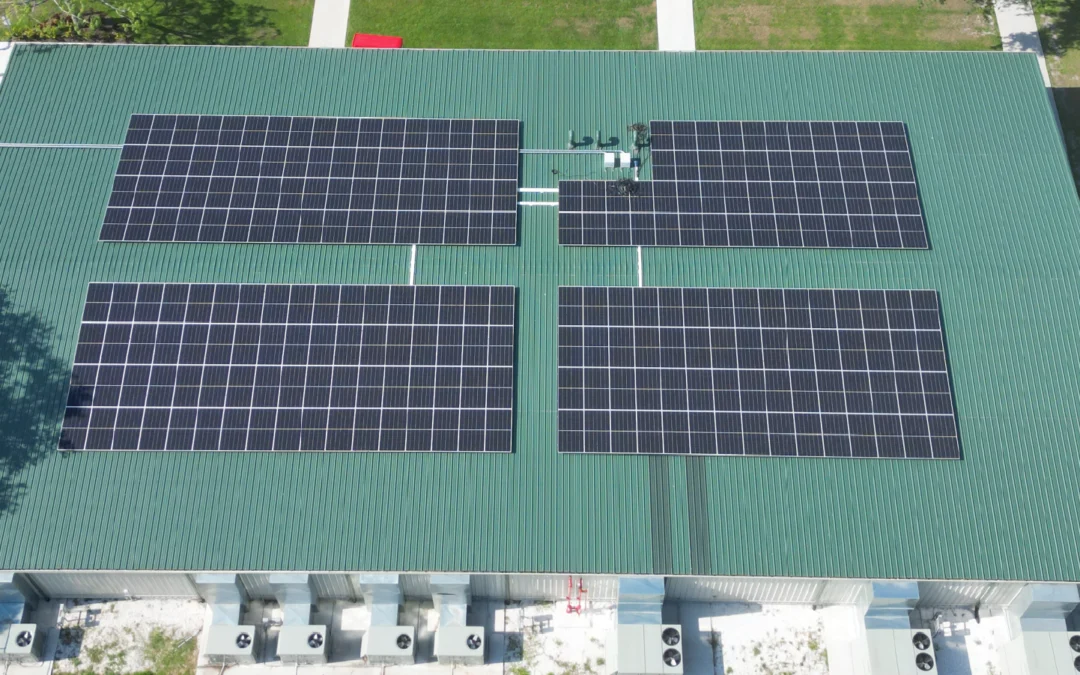
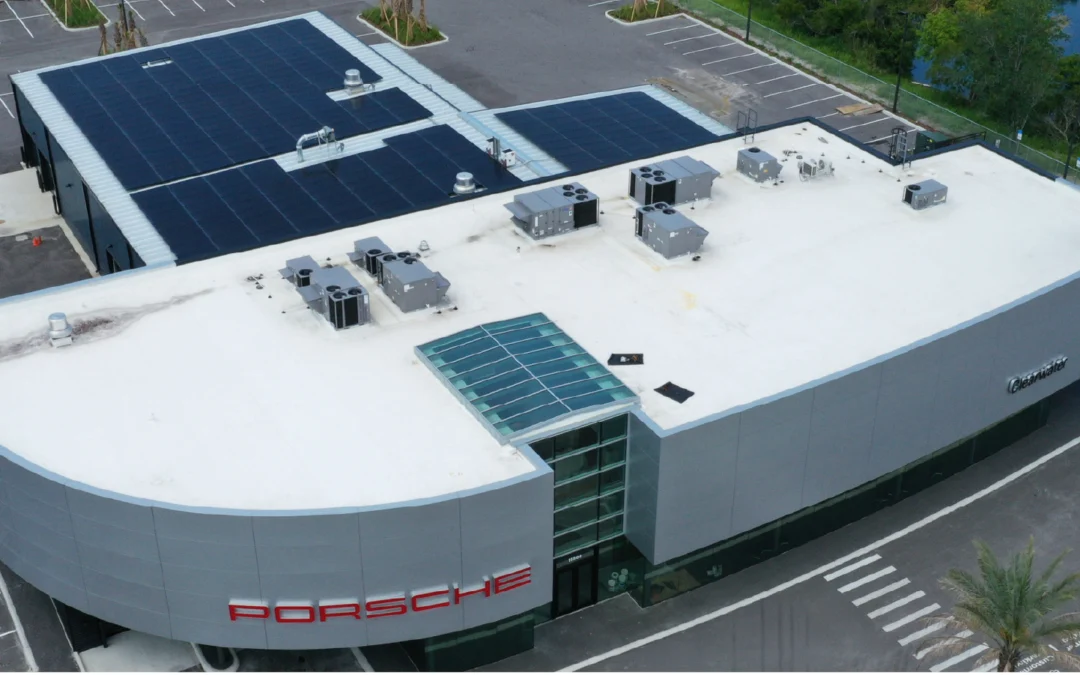
- Rooftop panels on sheds
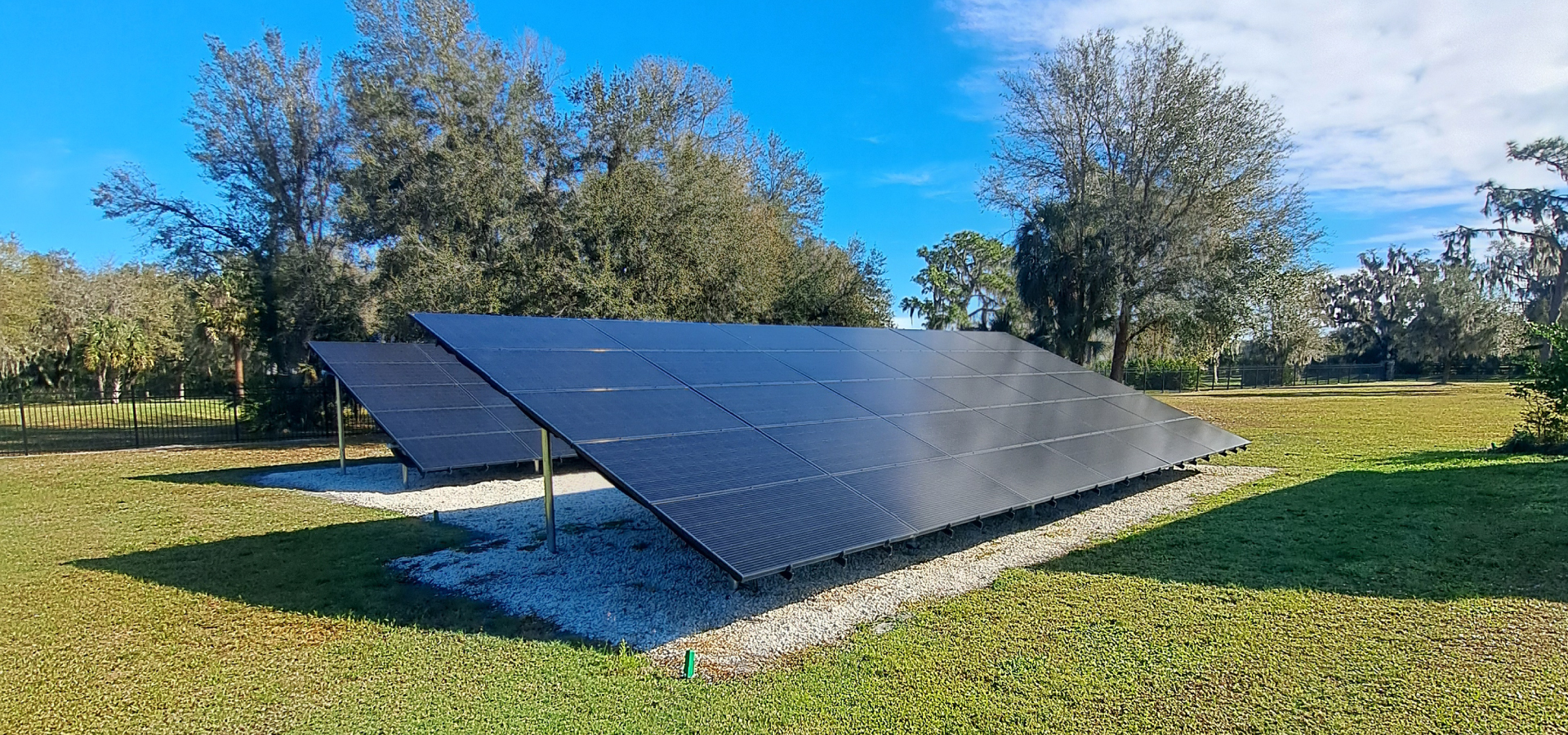
- Ground-mounted arrays on unused land
- Solar canopies over equipment storage
- Elevated systems with crops growing beneath
Batteries store excess solar power for use at night or on cloudy days. Modern systems manage everything automatically.
Partner with people who know farms
Expert knowledge is necessary for handling agricultural solar projects. Tampa Bay Solar understands the requirements of agricultural operations, cash flow patterns throughout the year, and the challenges with power supply. We provide complete system planning services, along with installation management and ongoing maintenance support, while maximizing available incentives. The solution enables your farm to achieve cost savings through reduced energy costs while maintaining a dependable electricity supply.
Our Service Areas
Hillsborough County: Tampa, Brandon, Riverview, Valrico, Plant City, Apollo Beach, Sun City Center
Pinellas County: St. Petersburg, Clearwater, Largo, Pinellas Park, Dunedin, Tarpon Springs, Seminole
Manatee County: Bradenton, Palmetto, Lakewood Ranch, Ellenton, Holmes Beach
Sarasota County: Sarasota, Venice, North Port, Osprey, Nokomis, Englewood
Pasco County: Wesley Chapel, New Port Richey, Zephyrhills, Dade City, Land O’ Lakes, Hudson