
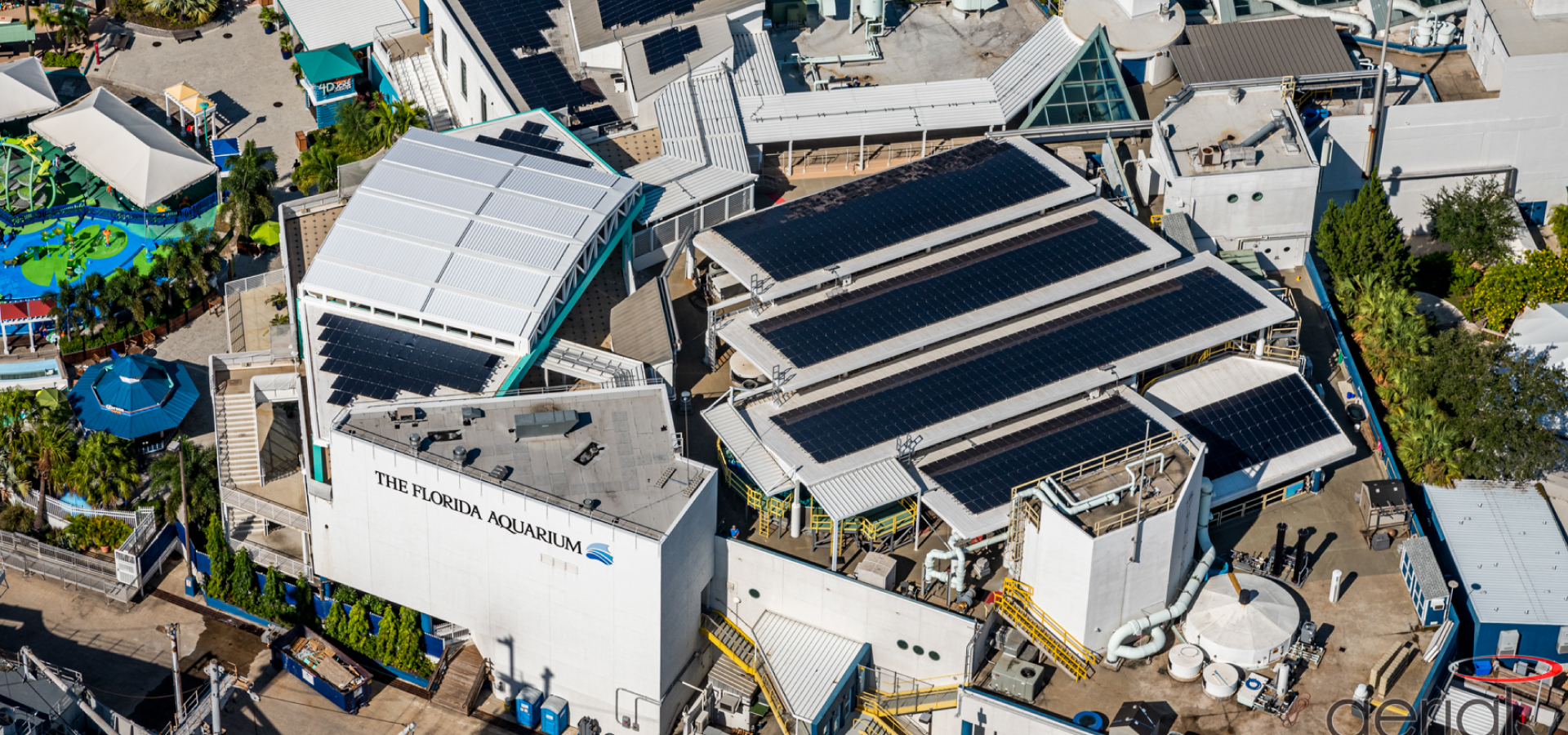
Nonprofit (NFP) organizations, such as schools, churches, and charities, often face tight budgets. High energy bills, especially demand charges, which are extra fees based on short-term peak electricity use, can make costs unpredictable.
This article explains how solar panels and battery storage can reduce or eliminate demand charges. It shows how batteries balance energy use, provide backup power, and keep monthly costs predictable. Solar plus storage also helps NFPs save money and take advantage of the Federal Direct Pay Program.
Key Takeaways
- NFP organizations often pay high energy bills because of peak usage charges.
- Solar panels generate power during the day, and batteries store extra energy for peak times.
- Solar-plus-storage can lower or remove demand charges and make monthly costs predictable.
- NFPs can use the federal Direct Pay program to receive the solar tax credit as a cash payment.
- Extra benefits include backup power and reduced environmental impact.
Understanding demand charges for NFPs
Demand charges are extra fees based on the highest electricity use during a short period, usually 15 minutes. Unlike regular energy charges, they focus on short spikes in usage. Utilities use these charges to cover the cost of meeting high power demand.
For many NFPs, peaks occur during events, during busy midday activities, or when multiple systems, such as air conditioning, kitchens, or HVAC, run simultaneously. These spikes can increase energy bills and put pressure on tight budgets.
How Solar plus battery storage reduces demand charges
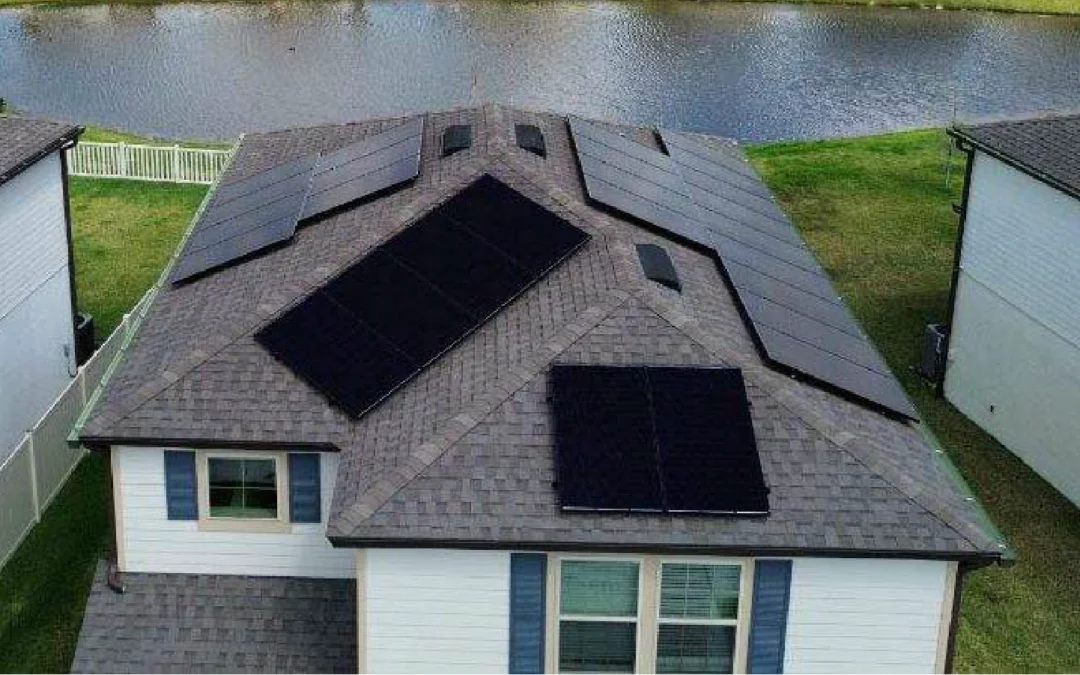
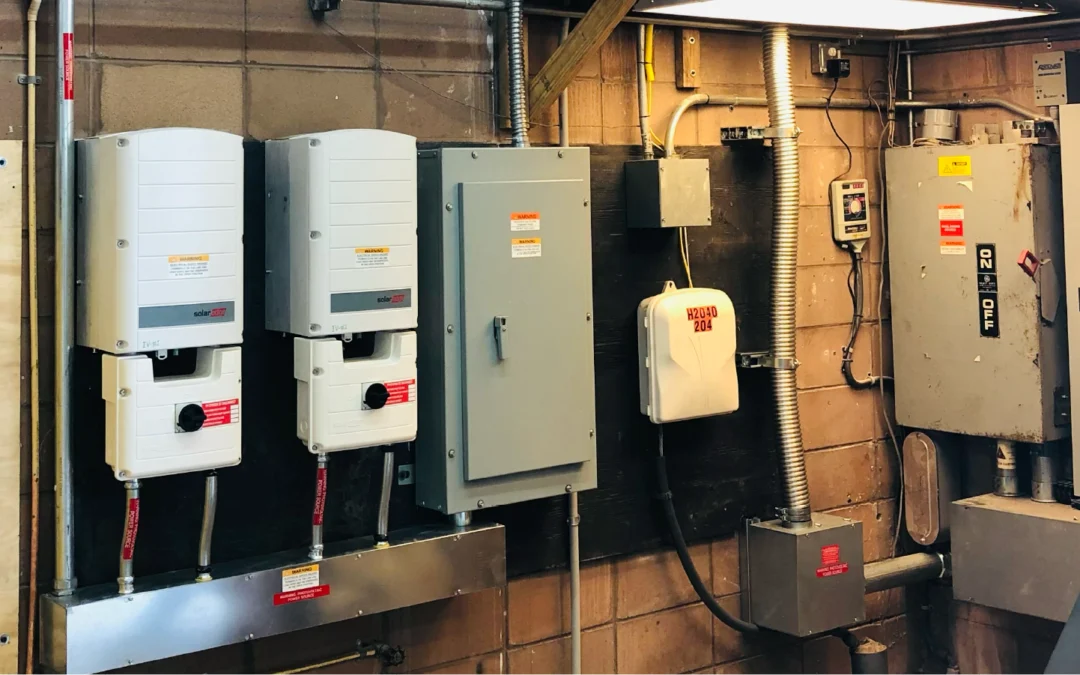
A commercial solar system produces electricity during the day. When it is paired with battery storage, the system can manage energy use and prevent costly power spikes.
- Peak shaving: The battery provides stored energy during periods of high electricity demand, preventing spikes in grid usage that trigger demand charges.
- Load balancing: Smart energy systems track power use in real time and choose when to use solar, battery, or grid power to keep energy use steady and predictable.
- Backup power: In the event of a grid outage, batteries provide instant power, ensuring continuous operations for critical NFP services.
- Predictable costs: By smoothing energy consumption and reducing peak charges, NFPs can forecast monthly energy expenses more accurately.
This setup helps NFP organizations control energy costs while continuing to serve staff, students, and the community reliably.
Federal solar incentives for NFP Organizations (Direct Pay)
- NFP organizations can use the Direct Pay (Elective Pay) option under the current federal clean energy tax credits.
- Qualifying solar and battery storage systems may receive up to 30% in federal incentives if prevailing wage and apprenticeship requirements are met.
- Schools, churches, and nonprofit organizations can receive this incentive as a cash payment, even though they do not pay federal taxes.
- This makes solar-plus-storage accessible to tax-exempt organizations without relying on tax liability.
- Bonus credits may be available for projects in low-income communities, energy communities, or those that use domestic content, subject to eligibility requirements.
- These incentives help NFPs reduce upfront costs and invest more savings back into their programs, students, and mission.
Florida State Incentives for NFP Organizations
- Sales Tax Exemption: Solar energy equipment is exempt from Florida sales tax.
- Net Metering: Extra solar energy can be credited to your utility bill, based on your local utility’s net metering rules.
When paired with the federal Direct Pay option, these state incentives lower upfront costs and increase long-term savings for Florida NFPs.
A Smart Energy Solution for NFPs
Solar and battery storage help Nonprofit organizations in Florida lower or remove demand charges. This keeps monthly energy costs stable and improves power reliability.
Key benefits include:
- Lower demand charges
- Stable monthly energy costs
- Backup power during outages
- Access to the 2026 Direct Pay incentive
Solar plus storage enables NFPs to save money and allocate more resources to their mission, with support from Tampa Bay Solar.
Our Service Areas
Hillsborough County: Tampa, Brandon, Riverview, Valrico, Plant City, Apollo Beach, Sun City Center
Pinellas County: St. Petersburg, Clearwater, Largo, Pinellas Park, Dunedin, Tarpon Springs, Seminole
Manatee County: Bradenton, Palmetto, Lakewood Ranch, Ellenton, Holmes Beach
Sarasota County: Sarasota, Venice, North Port, Osprey, Nokomis, Englewood
Pasco County: Wesley Chapel, New Port Richey, Zephyrhills, Dade City, Land O’ Lakes, Hudson