
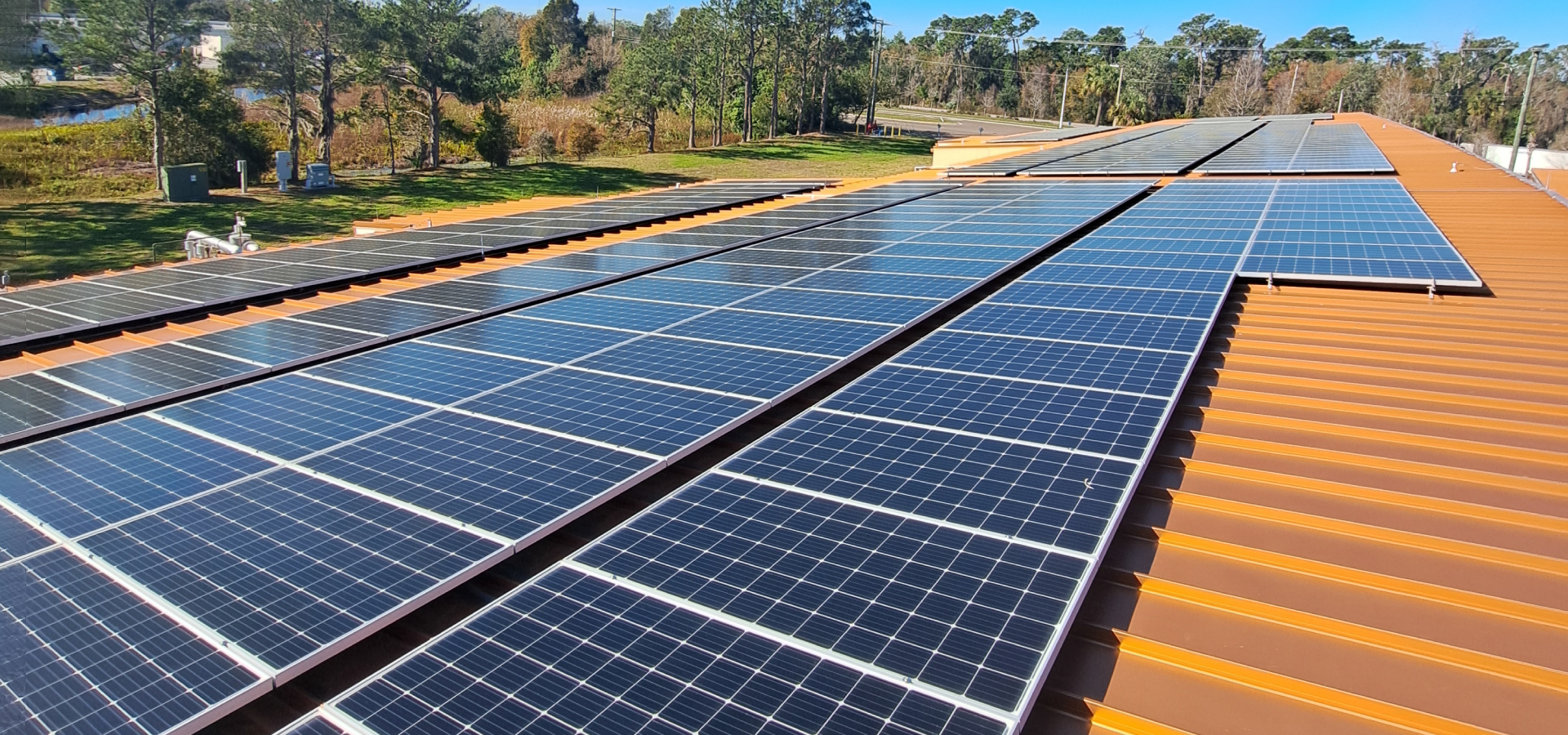
If your electricity bill is one of your biggest monthly expenses, you are not alone. Most farmers and agribusiness owners across Florida pay thousands of dollars every month to keep irrigation running, cold storage running continuously, and equipment powered. And those costs keep going up every year.
You can control how much power you draw from the grid. Solar energy is helping farms across the United States cut energy costs by 70 to 90 percent, but system size is critical. A system that is too small limits savings, while one that is too large increases unnecessary costs. This guide explains how to determine the right system size for your operation.
Key Takeaways:
- Review your last 12 months of electricity bills to determine the accurate system size.
- Account for irrigation pumps first, as they are the largest power consumers on most farms.
- Most Florida farms require solar systems ranging from 50 kW to 300 kW, depending on the crops and the size of the land.
- The 30% federal solar tax credit, combined with Florida’s property and sales tax exemptions, makes solar a financially smart investment.
Step 1: Look at Your Electricity Bills First
Pull out your utility bills from the past 12 months. This is where everything starts.
Look at your total monthly kWh usage and note which months hit the highest. For most Florida farms, summer is the peak. Irrigation runs longer, cooling systems work harder, and equipment logs more hours.
Once you have your average monthly kWh number, add 10-15% to account for new equipment or expanded operations. Now you have a realistic energy target for your solar system to meet.
Step 2: Know What Is Using the Most Power
Every farm is different. Knowing your biggest power consumers helps your solar installer design a system that matches your reality.
Irrigation pumps are almost always the largest load. They can account for 40 to 60 percent of total electricity use on many farms. The good news is that irrigation runs during the day, when solar panels produce the most power. Solar and irrigation are a natural match.
Cold storage and refrigeration run around the clock. These operations benefit most from solar paired with battery storage, so power is available day and night.
Processing equipment, barn ventilation, lighting, and office buildings all add to your load. A good solar contractor will review your full equipment list and size your system based on what you actually use.
Step 3: Match the System Size to Your Farm
Here is a practical breakdown based on common farm types in Florida.
Small Family Farms (25–50 kW)
Best for farms with basic irrigation and limited equipment. A 40 kW system can generate about 56,000–60,000 kWh per year and save around $5,000–$8,000 annually. Payback is usually 5–7 years.
Mid-Size Farms (75–150 kW)
Suitable for farms with multiple crops, larger irrigation, refrigeration, or livestock. A 100 kW system can produce about 160,000 kWh per year and save $14,000–$22,000 yearly. Payback is typically 4–6 years.
Large Commercial Farms (200 kW+)
Ideal for packing houses and processing facilities. A 200 kW system can generate around 280,000–300,000 kWh per year and save $30,000–$40,000 or more annually. With tax benefits, payback is usually 4–5 years.
The Financial Numbers You Need to Know
Most commercial agricultural solar installations qualify for the 30 percent federal Investment Tax Credit, provided they meet current federal requirements. The credit reduces federal tax liability dollar-for-dollar. Farms may also benefit from accelerated depreciation, which can improve early-year cash flow.
Florida adds additional advantages. There is no sales tax on solar equipment, and adding solar does not increase property taxes. A mid-size farm saving $18,000 per year could accumulate approximately $450,000 in total energy savings over 25 years, depending on system performance and utility rates.
Do Not Overlook Battery Storage
Power outages on a farm are costly. A single outage during harvest can damage crops. A hot afternoon without ventilation in a livestock barn creates serious problems.
Solar battery backup keeps your critical systems running when the grid goes down. In Florida, where storms and hurricane season create real risks, battery storage is a practical necessity for any serious agricultural operation.
Ready to Find Your Number?
Tampa Bay Solar works with farmers and agribusiness owners to design solar systems sized to each operation. We review your energy use, assess your property, and give you a clear proposal with system size, production estimates, and a full savings breakdown. Call Tampa Bay Solar today for a free consultation. The right-sized solar system is out there for your farm, and we will help you find it.
Our Service Areas
Hillsborough County: Tampa, Brandon, Riverview, Valrico, Plant City, Apollo Beach, Sun City Center
Pinellas County: St. Petersburg, Clearwater, Largo, Pinellas Park, Dunedin, Tarpon Springs, Seminole
Manatee County: Bradenton, Palmetto, Lakewood Ranch, Ellenton, Holmes Beach
Sarasota County: Sarasota, Venice, North Port, Osprey, Nokomis, Englewood
Pasco County: Wesley Chapel, New Port Richey, Zephyrhills, Dade City, Land O’ Lakes, Hudson