

Industrial and manufacturing businesses depend heavily on electricity. Machines, lighting, heating, cooling, and production lines all require constant power. This high energy use also creates a large carbon footprint. Today, companies are expected to reduce pollution while remaining profitable and competitive.
Solar energy offers a clear and practical solution. It helps industrial businesses lower emissions, reduce energy costs, and strengthen their sustainability image. Solar is no longer just an environmental choice. It is a smart business decision.
Key Takeaways
- Solar reduces carbon emissions and helps factories rely less on grid electricity.
- It cuts energy costs from year one and provides predictable, long-term savings.
- Solar strengthens Environmental, Social, and Governance (ESG) performance and improves brand reputation.
- Rooftop, ground-mounted, and battery storage systems make solar flexible for all industrial needs.
Why solar matters for industrial businesses
Industrial facilities are among the largest energy consumers. A significant share of global emissions comes from manufacturing and industrial operations. Because of this, even small improvements in energy sources can create a big environmental impact.
Solar power enables factories to generate on-site clean electricity, reducing fossil fuel use and emissions. It helps lower energy costs and cut carbon emissions, showing solar is reliable for industrial use.
How solar reduces carbon emissions
Solar panels produce clean electricity. Factories can use it during the day to lower emissions and rely less on the grid.
Solar systems can be placed on rooftops or nearby land, using space efficiently or generating more power for high-demand operations. Compared with coal and gas, solar has far lower emissions, making it one of the cleanest energy options for industrial use.
Solar Energy for industrial businesses
Many large industrial companies are already using solar energy with great results. Steel manufacturers power electric furnaces and heavy machinery with on-site solar, reducing emissions and stabilizing energy costs. Automotive companies are committing to renewable energy across their factories, using solar to reach clean energy goals. Furniture and consumer goods manufacturers install solar systems across multiple sites to reduce operating costs and demonstrate sustainability leadership. These examples prove solar works for both light and heavy manufacturing.
Financial benefits of solar
While sustainability matters, cost savings drive industries to choose solar. It lowers electricity bills from year one, offers long-term, predictable costs, and government incentives can cover much of the installation cost, making it easier for facilities of all sizes.
Improving Environmental, Social, and Governance (ESG)
ESG reporting matters for modern businesses. Solar reduces carbon emissions, provides trackable results, and helps companies meet net-zero goals. Brands that use clean energy build trust and strengthen their reputation.
Solar options for manufacturing facilities
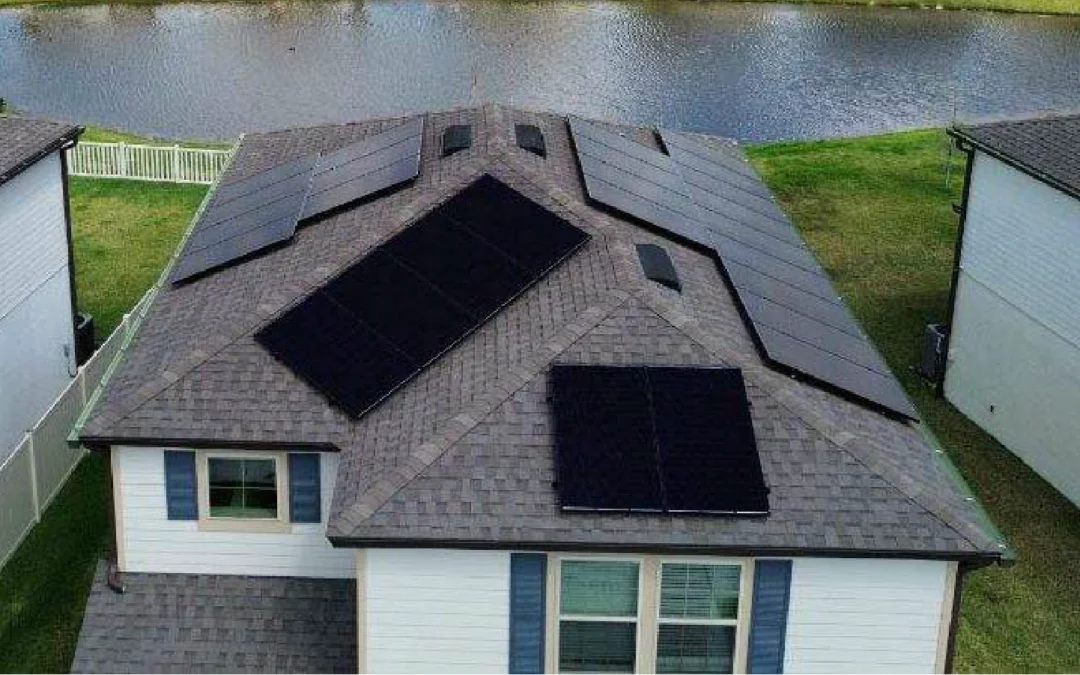
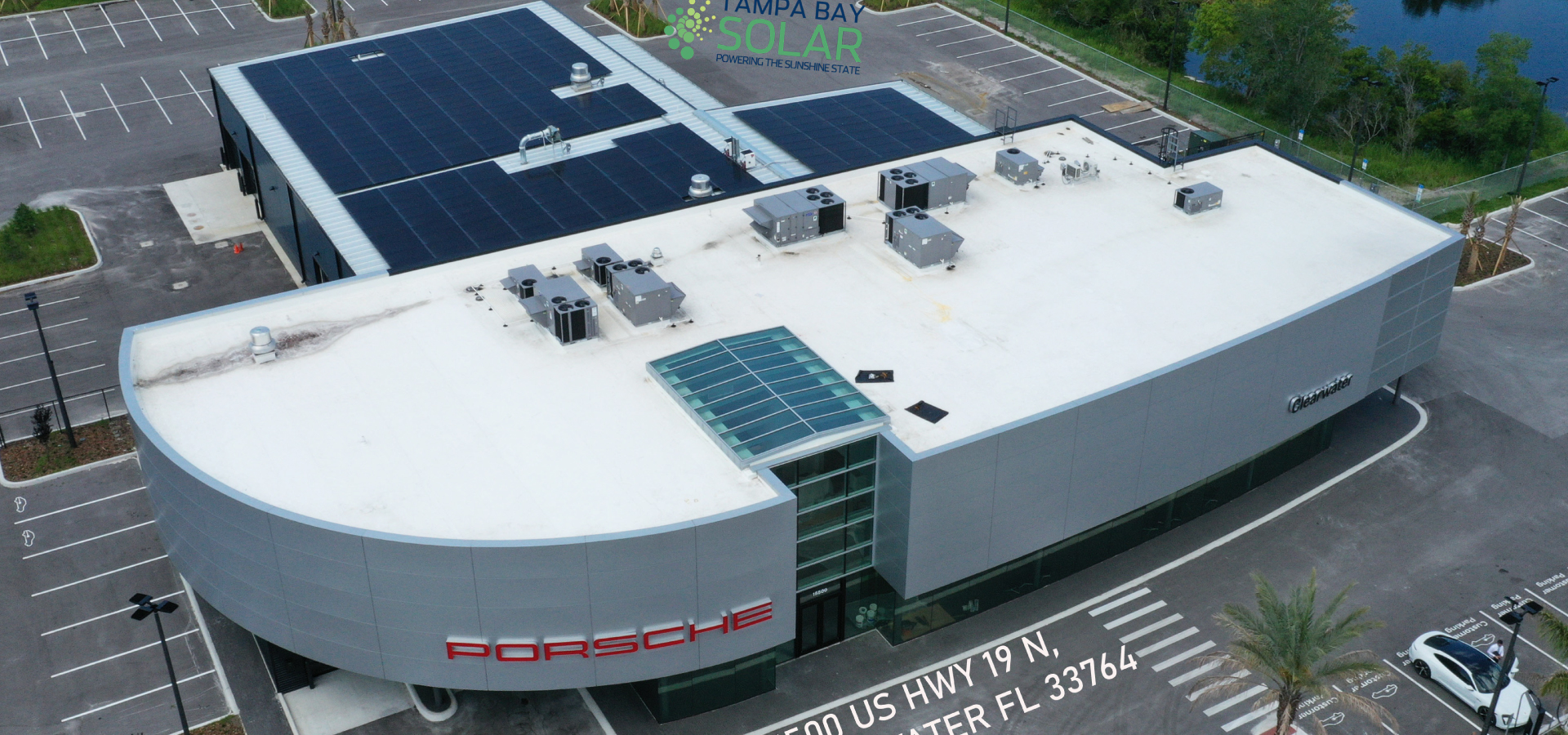
- Rooftop Solar: Uses factory rooftops without affecting operations and can cover most electricity needs for light industries.
- Ground-Mounted Solar: Installed on land to generate more power for energy-intensive industries.
- Battery Storage: Batteries store excess solar energy for later use, supporting evening operations or providing backup during outages. This is useful for industries that require continuous power, such as food processing, cold storage, and pharmaceuticals.
The growing future of industrial solar
Solar adoption is growing in the industrial sector. Technology improvements, supportive policies, and rising energy costs are driving more facilities to install solar each year. Companies investing in solar now will be better prepared for stricter sustainability regulations in the future.
Partner With Tampa Bay Solar
Industrial solar projects need planning, experience, and technical expertise. Tampa Bay Solar works with commercial and industrial clients to design solutions that fit operations, energy needs, and sustainability goals. We handle smooth installation, maximize energy production, and provide clear data for ESG reporting.
Solar energy helps factories cut emissions, lower energy costs, and boost their brand. It’s a smart choice for both the environment and finances. Manufacturers are adopting solar as a lead in sustainability and innovation. Contact Tampa Bay Solar to save costs and reduce your carbon footprint.
Our Service Areas:
Hillsborough County: Tampa, Brandon, Riverview, Valrico, Plant City, Apollo Beach, Sun City Center
Pinellas County: St. Petersburg, Clearwater, Largo, Pinellas Park, Dunedin, Tarpon Springs, Seminole
Manatee County: Bradenton, Palmetto, Lakewood Ranch, Ellenton, Holmes Beach
Sarasota County: Sarasota, Venice, North Port, Osprey, Nokomis, Englewood
Pasco County: Wesley Chapel, New Port Richey, Zephyrhills, Dade City, Land O’ Lakes, Hudson