
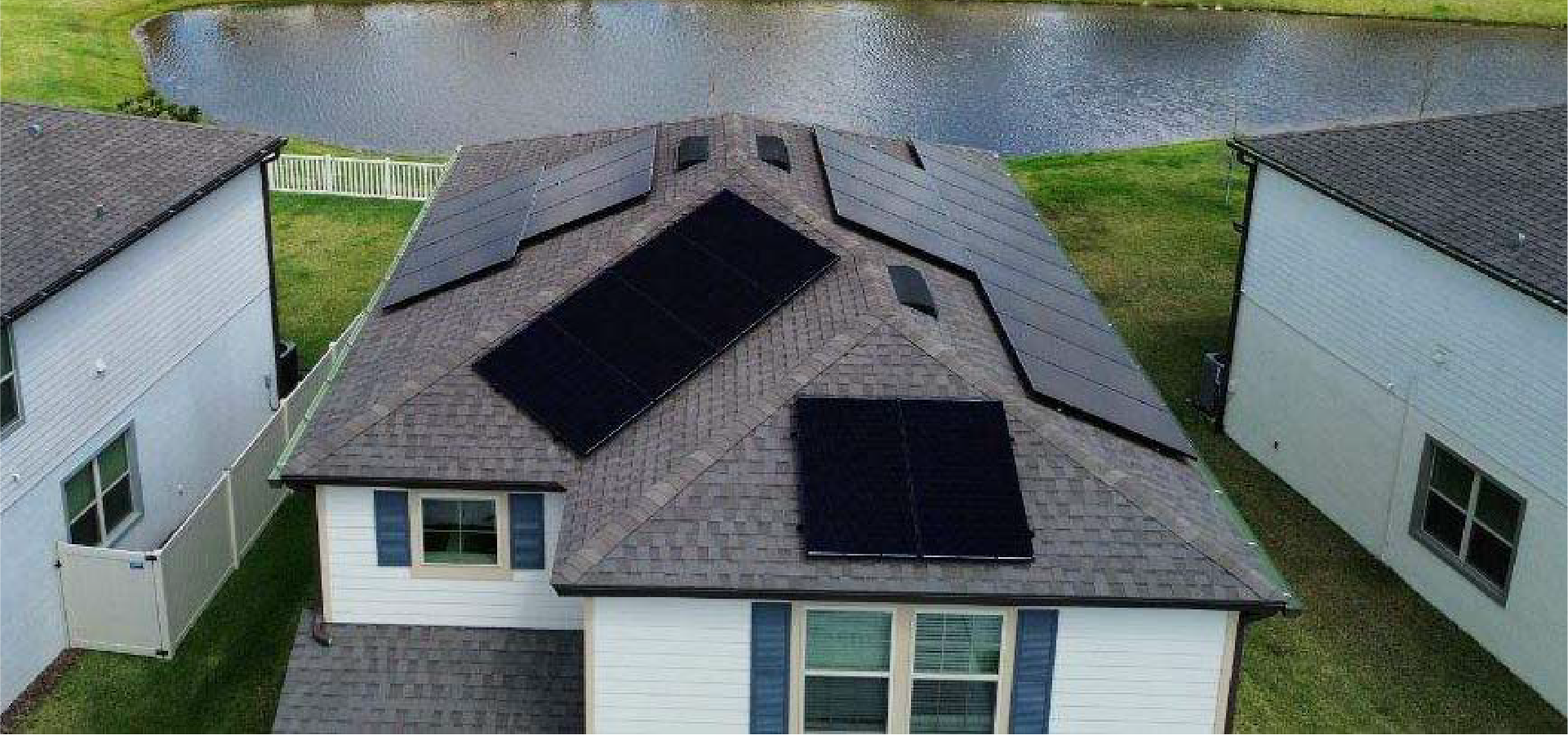
A common question is, “Is my roof big enough for solar?” The answer depends on your electricity use, the panels you choose, and how much of your roof is usable after considering shade, vents, and other obstacles.
Key takeaways
- Your electrical usage determines system size, not necessarily your home’s size.
- One solar panel will take up about 17 to 22 square feet, depending on the type you choose.
- Chimneys, skylights, vents, and shade will cut into your usable roof space.
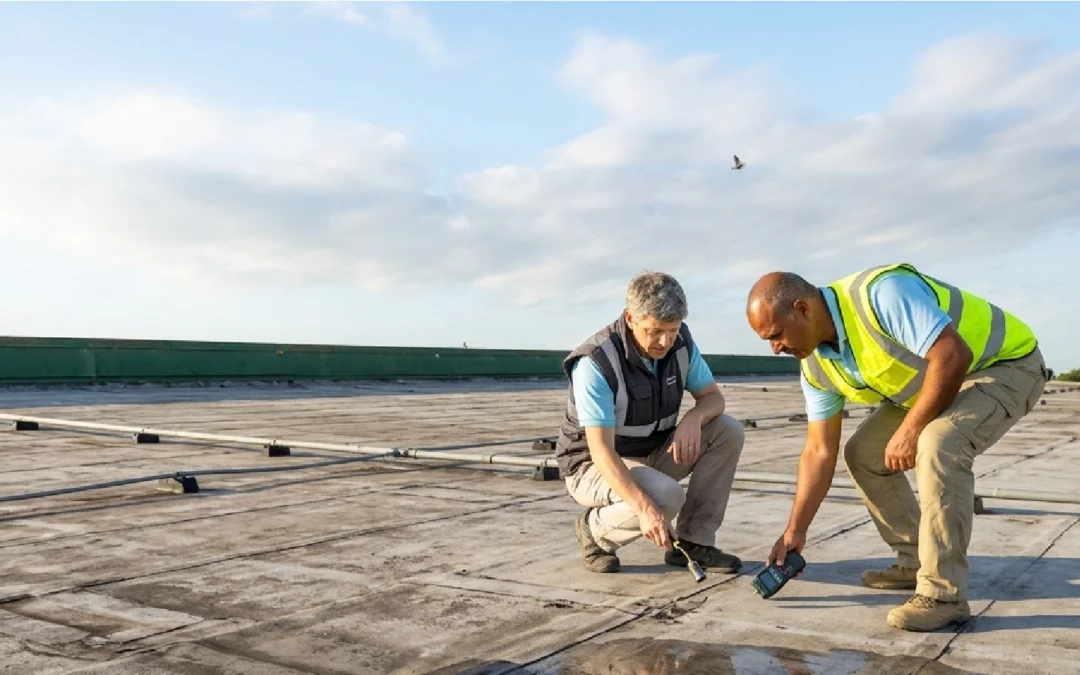
- The only way to get a real number is to have someone walk the roof, evaluate shading, obstacles, and structural integrity to provide precise data for your solar plan.
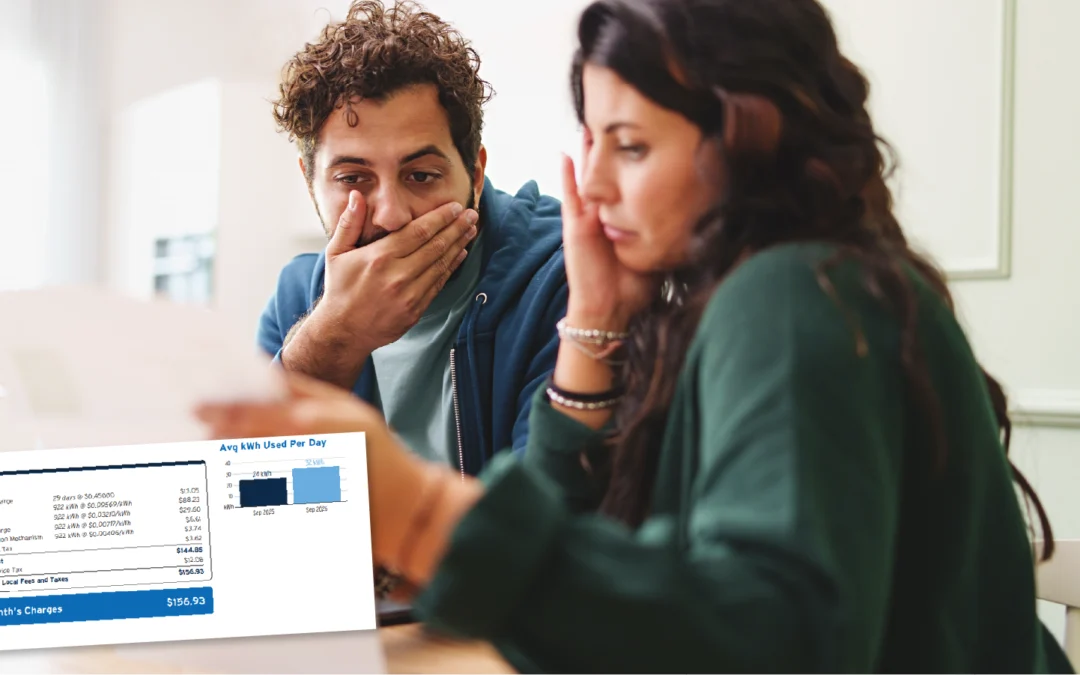
Look at your bill before you look at your roof.
Start by reviewing your electric bills to determine your home’s true energy requirements. Understanding your overall usage in kWh clarifies your solar plan, especially if high-energy appliances like pool pumps, electric water heaters, or EV chargers are part of your daily power use.
Getting the right number of panels
The size of the solar panel system you need depends on your electricity consumption and the panels’ wattage. For instance, if you have a 10 kWh system and 440-watt panels, you will need 23 of them.
Each solar panel requires about 17 to 22 square feet of roof space. 23 solar panels will require roughly 390 to 510 square feet, so measure your available roof area early and compare it to that number. The last thing you want is to be surprised.
Why usable roof space matters
Your roof size isn’t the same as usable solar space. Chimneys, vents, skylights, roof design, and required safety space can reduce the area available.
A large, open roof section usually gives you more usable space than several small sections.
The importance of direction
South-facing roofs are the most desirable for solar production, but east and west-facing roofs can also work well. North–facing roofs usually produce less. One of the most frequent misconceptions we hear is that customers believe that the largest section of the roof is the best option for solar. This is easy to disprove by comparing the potential production of a smaller but better-situated roof area.
Dealing with shade
Shade can limit how much power your system produces. Trees, a two-story house next door, or even your own chimney can cast shadows on your roof during the day.
What to do before requesting a quote
Before asking a solar company for a quote, do a few checks first.
Check your yearly electricity use to understand the system size you may need. Then look at your roof and see how much open, shade-free space you have.
As a simple guide, each solar panel needs about 17 to 22 square feet. This can help you estimate how many panels may fit. However, your roof’s condition can affect the final system size. That is why a site survey is an important first step.
Making the best of a small area
Even small roofs can produce good solar power. Higher-wattage panels can produce more power even in a small space so you may need fewer panels. An experienced solar professional can also find the best areas of your roof for panel placement. In some cases, your roof size may determine the system size.
Condition of the roof
Before installing solar, ensure your roof is in good shape, since it’s a long-term investment. Addressing repairs or replacement beforehand can prevent future issues, helping you feel secure about your solar investment’s durability.
Make sure your roof is ready.
Ultimately, it depends on your electricity needs, the solar equipment you choose, and the available space on your roof (or the space that’s not shaded). A rough calculation will only get you so far, but a professional on-the-ground evaluation will give you real numbers for a solar system that meets your needs.
If you want a definitive answer about your roof’s solar potential, our team of experts can conduct a free energy audit, visit you to determine your needs, and provide an estimate.
FAQ
Will solar panels work on a metal roof?
You can safely install solar panels on many types of metal roofing. The attachment method depends on your roof type.
Will solar panel installation damage the roof?
A qualified installer will take steps to protect your roof during installation.
Can a small roof still work for solar?
Yes. Higher-wattage panels and proper placement can help you get more power from a smaller roof footprint.
Our Service Areas
Hillsborough County: Tampa, Brandon, Riverview, Valrico, Plant City, Apollo Beach, Sun City Center
Pinellas County: St. Petersburg, Clearwater, Largo, Pinellas Park, Dunedin, Tarpon Springs, Seminole
Manatee County: Bradenton, Palmetto, Lakewood Ranch, Ellenton, Holmes Beach
Sarasota County: Sarasota, Venice, North Port, Osprey, Nokomis, Englewood
Pasco County: Wesley Chapel, New Port Richey, Zephyrhills, Dade City, Land O’ Lakes, Hudson