
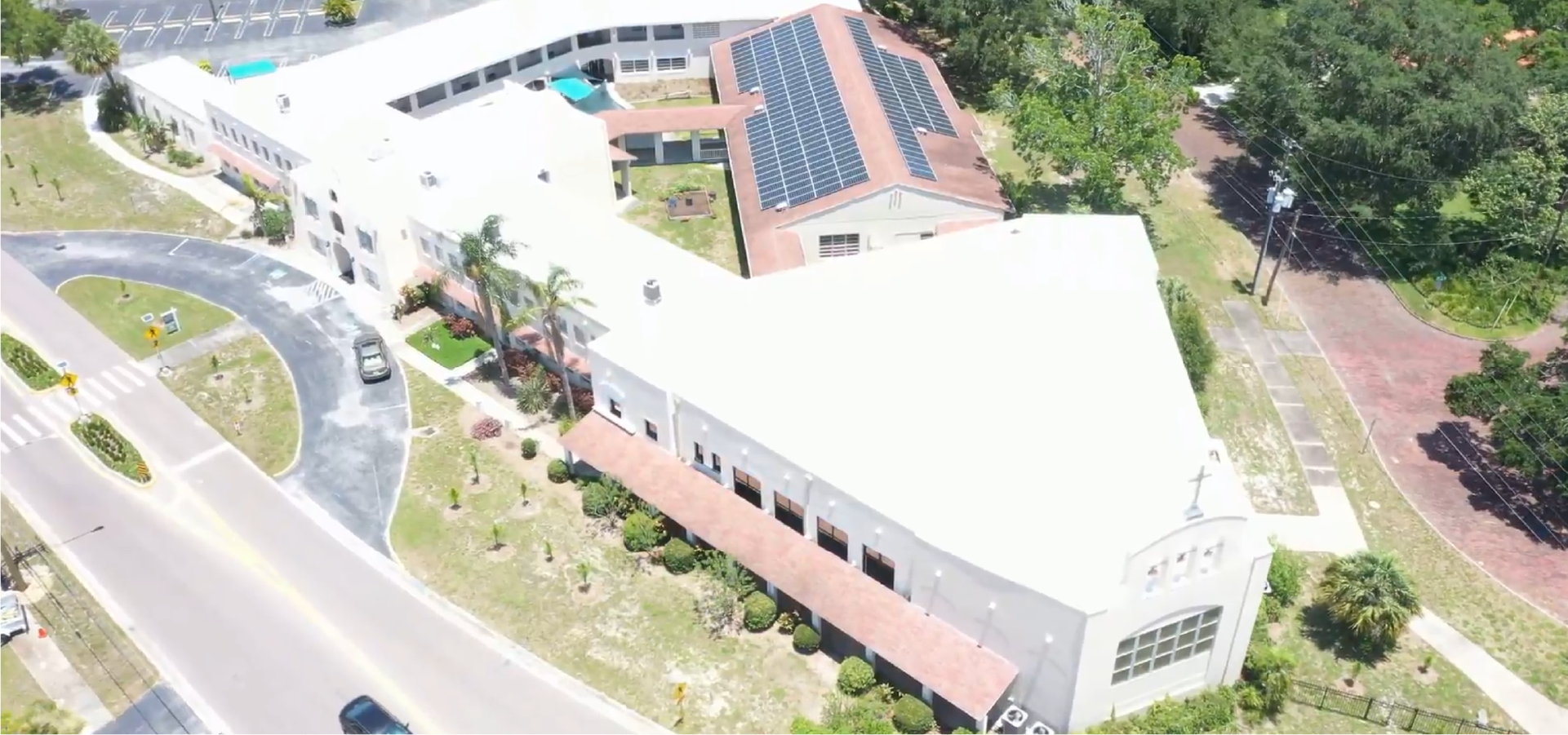
Churches, synagogues and other places of worship have many expenses, from staff and programs to repairs and other building needs. Electricity is another necessary cost, and it can be expensive for a Florida religious facility.
Leaders of places of worship may want to install solar but worry about the upfront cost and its impact on their budget.
Financing can make the cost easier to manage by allowing a religious facility to pay for the solar system over time. Before choosing financing, compare your current electric bill, estimated savings, monthly payments, and the religious facility’s long-term goals.
Key takeaways
- Financing can help you avoid a large upfront payment.
- Take a look at your current electricity bills first.
- Compare what you could save with your expected monthly financing payment.
- Consider your building, energy use, and plans for the future.
Start with what you are paying now
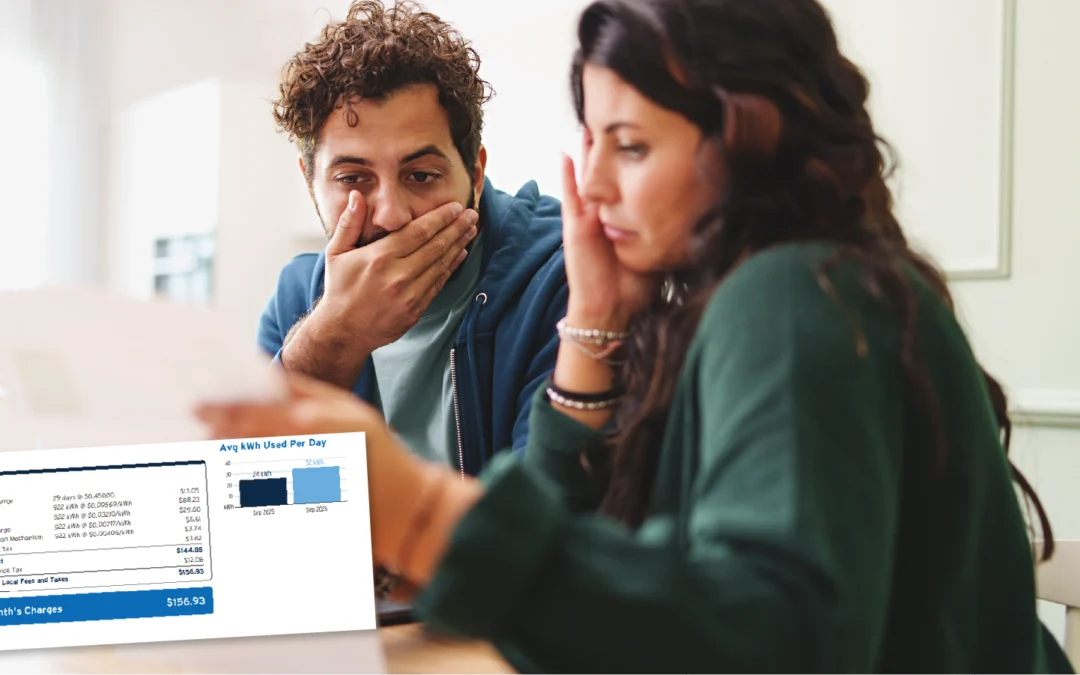
Before you consider solar, review your religious building’s electricity bills. Look back at the past 12 months to see how much you spend each year. Then consider how the building is used (weekly services, offices, classrooms, community events, etc.), as this affects energy use. Understanding your current energy consumption and electricity rate will help you better understand a solar proposal.
Religious facility savings and financing
Not all religious facilities are ideal candidates for investing in solar panels with their savings. Many may need to use that money for roof repairs, air conditioning, construction, and community programs.
Financing allows you to pay off the system gradually instead of spending a large amount upfront. Tampa Bay Solar offers a zero-down commercial solar financing option for qualifying organizations (subject to credit approval).
However, zero-down does not mean that there are no payments. Consider the terms and conditions, monthly payments, interest, payment period, and the total amount you will owe.
Compare the costs
Don’t just think about the estimated solar savings. Compare your current electric bill to the projected electric bill plus solar finance payment.
Say a religious facility pays $2,000 a month for electricity, and solar will reduce that by $1,200. If it has a $1,000 financing payment, it pays $1,800 a month in total, $200 less than before. Use your own bills and proposal because the real numbers will be different for each religious building.
Check the roof
Make sure you check the roof before you begin any work. Get any repairs done if necessary. Roof space, solar potential, electrical needs, permits and utility needs are other elements that might impact your project and budget. Some older religious buildings have flat or low-slope roofs, or historic and architecturally sensitive roofing, which can affect the mounting method and may require special permitting.
Think about the future
Solar is an investment in the future. If your religious facility owns the building and anticipates staying in the building for a long time, then solar is certainly something you should think about. However, if you are planning on moving or selling the building, think about how that will impact your solar contract.
Is solar a good fit?
Solar is a good fit for religious facilities with large electric bills that own the building they occupy, plan to stay for many years, and have a good roof.
The most critical factors in determining if solar is a good fit for your religious facility are your electricity needs, budget, building age and condition, and how long you plan to stay in the building.
Questions to ask before signing
- Costs and payment details
- Energy to be generated
- Warranties for the system and equipment
- Permits and installation
- Roof work
- Solar panels, their warranty and performance in different weather
- What happens if you sell the building
What should a religious facility do next?
Start with your electric bill, then look at your building and the solar proposal. Look at the total cost, not just the monthly payment or expected savings. Choose a solar plan that fits your budget and leaves funds available for your important work.
FAQ
If a religious facility sells its building in the future, how much could it lose?
It will depend on the financing, but you should know the costs before signing anything.
Does the religious building need a new roof before going solar?
Only if the existing one is old or in need of repair.
Who has to approve the installation?
Most places of worship need approval from a religious leader or governing board before signing.
Will solar work if the building has a big AC system?
Yes. More AC use usually means higher bills, giving solar more room to save..
Our Service Areas
Hillsborough County: Tampa, Brandon, Riverview, Valrico, Plant City, Apollo Beach, Sun City Center
Pinellas County: St. Petersburg, Clearwater, Largo, Pinellas Park, Dunedin, Tarpon Springs, Seminole
Manatee County: Bradenton, Palmetto, Lakewood Ranch, Ellenton, Holmes Beach
Sarasota County: Sarasota, Venice, North Port, Osprey, Nokomis, Englewood
Pasco County: Wesley Chapel, New Port Richey, Zephyrhills, Dade City, Land O’ Lakes, Hudson