
The storm doesn’t care what stage the crop is at. It doesn’t care that cold storage is full, that irrigation ran all week, or that harvest starts Monday. When a hurricane hits and the grid goes down, the farm comes to a halt. Everything in it that depends on power is now on a clock.
Florida farmers know this. Most just haven’t found a way around it yet.
Key Takeaways
- Florida’s 2024 hurricane season caused nearly $1 billion in farm losses. Power outages were a direct cause.
- Solar paired with battery backup keeps irrigation, cold storage, and operations running when the grid fails.
- A solar system sized for your farm reduces energy costs and pays for itself over time.
- Energy costs are a major operating expense on many Florida farms. Solar cuts that significantly.
What a hurricane actually does to a farm
The wind and rain are only part of it. The real damage to a farm operation comes in the hours and days after the storm passes.
Irrigation systems go down. Crops that needed water yesterday aren’t getting it today or tomorrow. When cold storage loses power, anything perishable inside starts a countdown. Ventilation in livestock barns stops, and heat builds fast. Processing equipment sits idle. And the grid, depending on how bad the storm was, may not come back for days.
One bad outage at the wrong time doesn’t just cost money. It can cost an entire season. For a farm running on tight margins, that’s not a setback. That’s a crisis.
The grid is not a farm’s friend during hurricane season
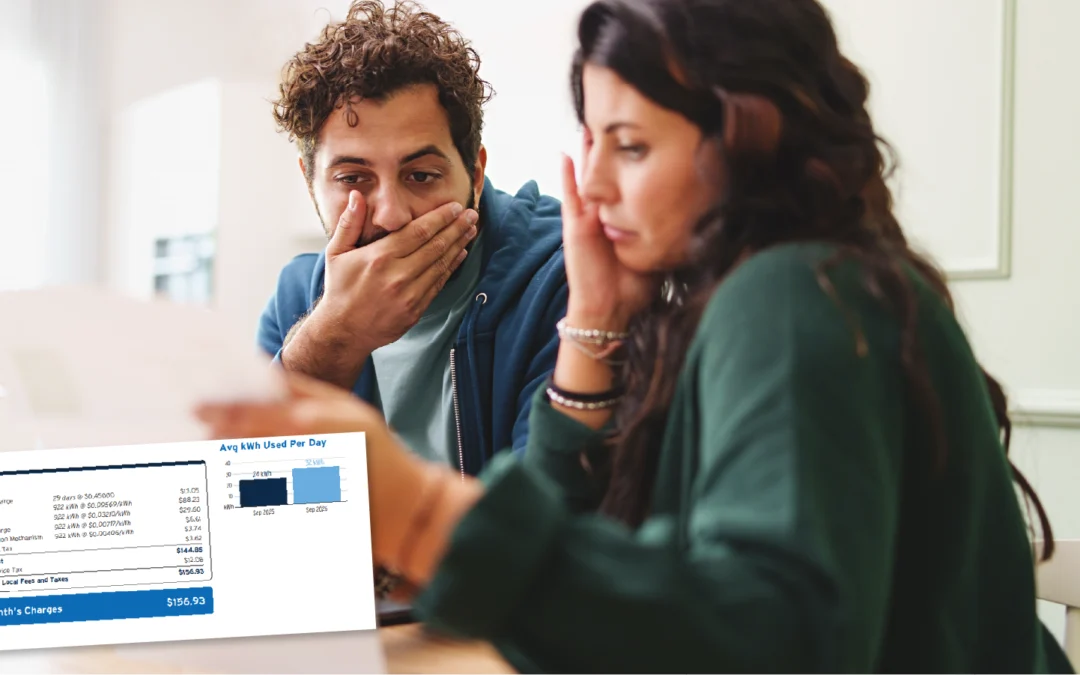
Florida’s agricultural operations are among the most energy-intensive in the country. Irrigation pumps, refrigeration, climate control, packing and processing equipment, all of it runs on power. For irrigation-intensive farms, nurseries, dairy operations, and facilities with cold storage, energy can represent up to 25% of total operating costs.
That dependency is manageable in normal conditions. During hurricane season, it’s a vulnerability. The grid goes down exactly when the farm needs it most, and comes back on the utility company’s schedule, not the farmer’s.
Solar and battery storage change the calculation
A properly designed solar system with battery backup doesn’t eliminate the storm. It eliminates the grid dependency that makes the storm so damaging.
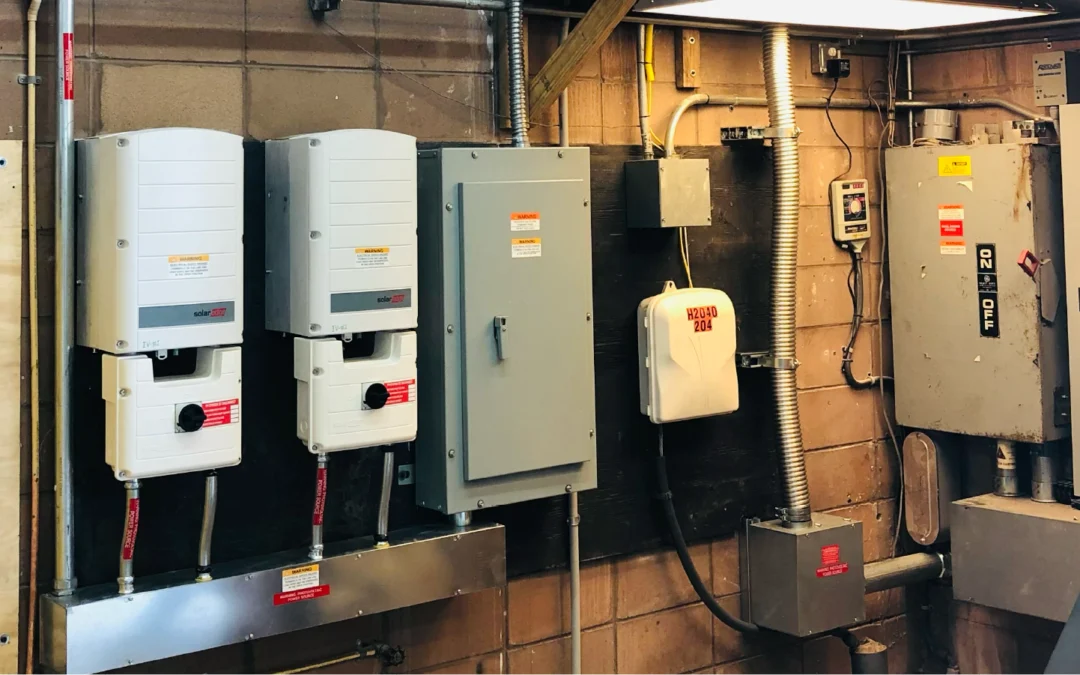
When the grid goes down, the system switches automatically. But not all loads are treated equally, and that matters. A well-designed agricultural system uses load prioritization to determine which loads receive power first. Irrigation comes first. Cold storage stays on. Ventilation in livestock barns keeps running. Non-essential equipment is shed automatically to protect the systems your operation cannot lose.
That’s not a generic solar feature. It’s how agricultural systems are specifically configured, and it’s the difference between a farm that survives a multi-day outage and one that doesn’t.
Battery storage isn’t just for emergencies either. Day to day, it stores excess solar power for use at night or during cloudy periods, automatically managing demand so peak usage doesn’t unnecessarily drive up utility charges.
For a Florida farm in hurricane country, that’s a practical necessity.
What the numbers say
The 2024 hurricane season caused between $402 million and nearly $1 billion in agricultural losses across Florida, according to University of Florida economists. Power outages played a major role, disrupting nurseries, greenhouses, and dairy operations, where farmers struggled to cool milk and maintain milking schedules during storms.
Energy costs on some Florida farms can represent up to 25% of total operating expenses. A solar system significantly reduces costs year after year. Florida’s long hours of sunlight also mean more solar generation than in most other states, improving the return on agricultural solar investments.
Built around your operation
Every farm has different energy needs, which is why we design systems based on each operation’s actual power usage, critical equipment, and daily energy demands.
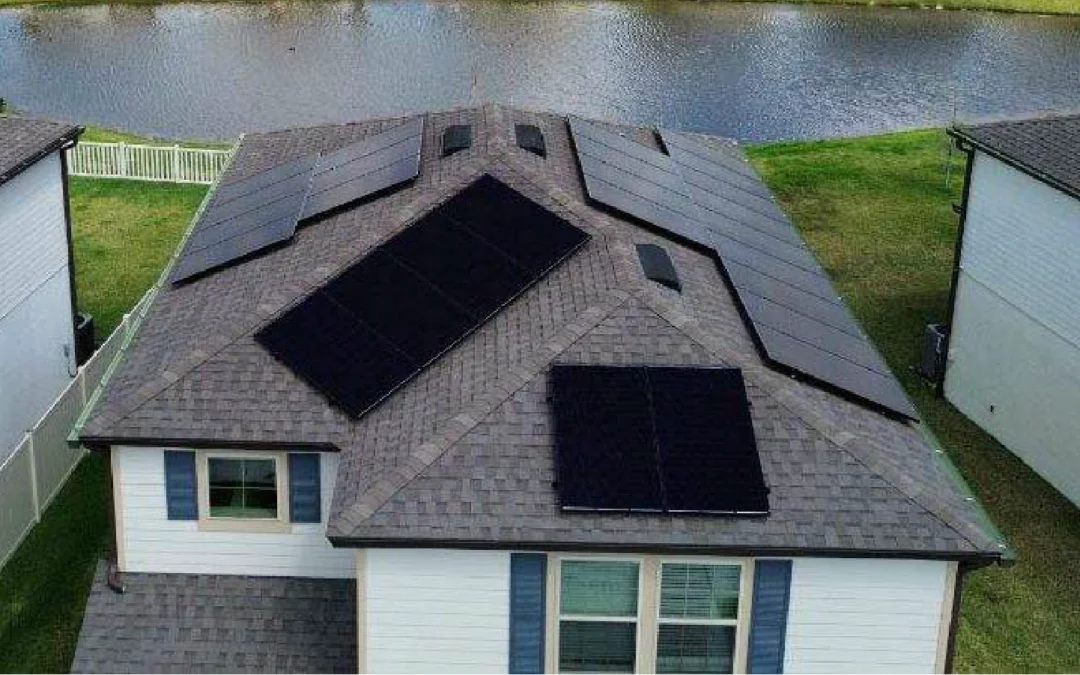
Ground mounts, rooftop arrays on barns and packing facilities, and off-grid solar containers are all options depending on what the farm needs. Tampa Bay Solar starts every agricultural project with a free consultation and energy audit, so the system going in is tailored to what each operation genuinely runs, not a generic estimate.
Our Service Areas
Hillsborough County: Tampa, Brandon, Riverview, Valrico, Plant City, Apollo Beach, Sun City Center
Pinellas County: St. Petersburg, Clearwater, Largo, Pinellas Park, Dunedin, Tarpon Springs, Seminole
Manatee County: Bradenton, Palmetto, Lakewood Ranch, Ellenton, Holmes Beach
Sarasota County: Sarasota, Venice, North Port, Osprey, Nokomis, Englewood
Pasco County: Wesley Chapel, New Port Richey, Zephyrhills, Dade City, Land O’ Lakes, Hudson